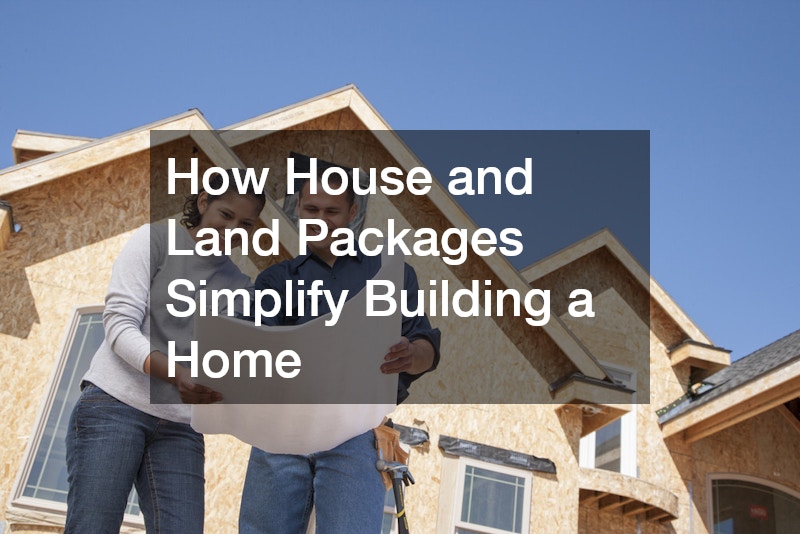

Building a home is often seen as a complex and overwhelming process, especially for first-time buyers or growing families who are trying to balance budgets, timelines, and design preferences all at once. From selecting a suitable block of land to choosing a builder and managing construction costs, the number of decisions involved can quickly become stressful. Many people underestimate how many moving parts are required before a home is even ready to live in.
One of the main challenges in traditional home building is coordination. Buyers must often deal with multiple parties, including land sellers, architects, engineers, builders, and council authorities.
Each stage requires careful planning and communication, which can lead to delays or unexpected costs if not managed properly. This is where more streamlined approaches to building have become increasingly popular.
Modern buyers are now looking for simpler, more structured ways to achieve homeownership without sacrificing quality or control. By combining key stages of the process into a single, coordinated pathway, it becomes much easier to move from planning to completion. This approach reduces confusion and helps families focus on the exciting parts of building a home rather than the logistical challenges.
A Streamlined Path from Purchase to Construction
One of the biggest advantages of bundled building solutions is the simplified structure they offer from the very beginning. Instead of separately sourcing land and then finding a builder, the entire process is packaged together in a more organised format. This reduces the need for multiple contracts and simplifies communication between all parties involved.
In traditional builds, delays often occur when land settlement does not align with construction schedules or when builders and landowners are not fully coordinated. With a more integrated approach, these timelines are typically aligned from the outset, helping to reduce waiting periods and uncertainty. This makes it easier for buyers to plan their move and manage financial commitments.
Many buyers are drawn to house and land packages because they reduce the complexity of managing separate transactions. By combining key steps into a single process, there is less administrative work and fewer opportunities for miscommunication. This can be especially helpful for first-time builders who may not be familiar with the construction industry.
Reduced Stress Through Coordinated Management
One of the most overlooked benefits of a streamlined building approach is the reduction in stress throughout the entire process. Coordinating multiple contractors, suppliers, and approvals can be overwhelming, particularly for those managing a home build alongside work and family commitments.
When responsibilities are more centralised, communication becomes simpler and more efficient. Instead of dealing with separate parties for each stage of the project, buyers can often work through a single point of contact. This reduces confusion and helps ensure that everyone involved is working towards the same timeline and objectives.
Delays are also easier to manage when coordination is centralised. If issues arise during construction, they can typically be addressed more quickly because responsibility is clearly defined. This helps keep the project moving forward and reduces the risk of extended setbacks.
Many families choose house and land packages specifically because they reduce the emotional and logistical burden of building a home. By simplifying communication and streamlining responsibilities, the process becomes more manageable and less overwhelming.
Faster Path to Homeownership
Time is another important factor for many families entering the housing market. Whether renting, living with family, or transitioning from another property, most buyers want to move into their new home as efficiently as possible. Traditional builds can sometimes take longer due to planning delays, contractor scheduling, and unforeseen complications.
A more coordinated building approach helps reduce these delays by aligning key stages of the process from the beginning. Because land selection and construction planning are already integrated, there is less waiting time between approvals and building commencement. This can significantly shorten the overall timeline from purchase to move-in.
However, it is still important to set realistic expectations. Weather conditions, supply chain issues, and council approvals can still impact timelines, regardless of the approach taken. Even so, a more structured process generally provides greater predictability compared to managing each stage independently.
By choosing house and land packages, many families find they can move into their new home sooner and with fewer disruptions along the way. This makes it an appealing option for those who want a more efficient path to homeownership.
Building a home is a major life decision that involves financial planning, emotional commitment, and careful coordination across multiple stages. While traditional building methods can be rewarding, they often require significant time, effort, and management to ensure everything runs smoothly.
A more structured approach helps simplify many of these challenges by combining key stages into a single, coordinated process. This reduces administrative complexity, improves cost transparency, and helps families better manage timelines and expectations. It also allows buyers to focus more on design choices and lifestyle outcomes rather than logistical concerns.
For many people, house and land packages offer a practical way to reduce stress and uncertainty during the home-building journey. By providing a clearer structure and more predictable process, they make it easier to move from planning to completion with greater confidence.
Ultimately, the right choice depends on individual goals, budget, and long-term plans. However, for those seeking a more streamlined and manageable path to building a home, this approach can provide a strong balance of convenience, clarity, and efficiency.